Understand
Respond
Gell Mason Endowed Fellow · Ph.D. Student in Information Science, University of Washington
Hi there! My name is Seokhyun (Shawn) Hwang, and I am a Ph.D. student in Information Science at the University of Washington in the ACE Lab (Advisor: Jacob O. Wobbrock). I completed my Master's degree in Intelligent Robotics at Gwangju Institute of Science and Technology HCIS Lab (Advisor: SeungJun Kim). I work on body-state-aware interaction, spanning human-computer interaction, AI, haptics, and wearable systems.
University of Washington, United States
Doctor of Philosophy (Ph.D.), Information Science, Information School
Sep 2024 - Present (Expected)
Advisor: Jacob O. Wobbrock
Gwangju Institute of Science and Technology, Korea
Master of Science (M.S.), Intelligent Robotics, School of Integrated Technology
Sep 2021 - Aug 2023
Advisor: SeungJun Kim
Gwangju Institute of Science and Technology, Korea
Bachelor of Science (B.S.), Department of Mechanical Engineering
Mar 2017 - Aug 2021
University of Washington & Toyota Research Institute
Research Assistant
Jan 2025 - Present
Toyota Research Institute
Research Intern (Mentors: Alexandre Filipowicz, Scott Carter)
Jun 2025 - Sep 2025
Human-Centered AI Division
ACE Lab, University of Washington
Ph.D. Student (Advisor: Jacob O. Wobbrock)
Sep 2024 - Present
DRL Lab & CDFG Lab, MIT
Visiting Researcher (Advisors: Daniela Rus, Wojciech Matusik)
Sep 2023 - Oct 2023
Human-Centered Intelligence Systems Lab, GIST
Research Associate
Sep 2023 - Aug 2024
Human-Centered Intelligence Systems Lab, GIST
M.S. Student (Advisor: SeungJun Kim)
Sep 2021 - Aug 2023
Intelligent Robotics, School of Integrated Technology
Human-Centered Intelligence Systems Lab, GIST
Research Intern (Advisor: SeungJun Kim)
Jan 2021 - Aug 2021
School of Integrated Technology internship and undergraduate research internship program
Intelligent Medical Robotics Lab, GIST
Research Intern (Advisor: Jungwon Yoon)
Jun 2020 - Dec 2020
University of Washington
Teaching Practicum, IMT 565B: Designing Information Experiences
Mar 2026 - Jun 2026
University of Washington
Teaching Practicum, HCID 520: User Interface Software & Technology
Jan 2026 - Mar 2026
University of Washington
Teaching Assistant, INFO360: Design Methods
Sep 2024 - Dec 2024
Gwangju Institute of Science and Technology
Teaching Assistant, RT6304: XR Project Class
2022 Fall - 2023 Spring
National University of Laos & Khon Kaen University
Experiment Instructor (Educational Volunteer), 2019 GIST Global Science Camp in Laos
Jul 2019
Gwangju Institute of Science and Technology
Experiment and Design Team Leader (Educational Volunteer), 2019 GIST Science Camp
Jan 2019
A research program around human ability
Human-Adaptive Interaction
Technology should adapt to what people can perceive, process, and do—without adding more burden than benefit.
Each row follows one human capacity through the same repeating cycle.
Select a row, step, or card to exploreHow to read this map
One method, three human capacities
Select a card to see the systems and studies behind each part of the cycle.
26 publications shown
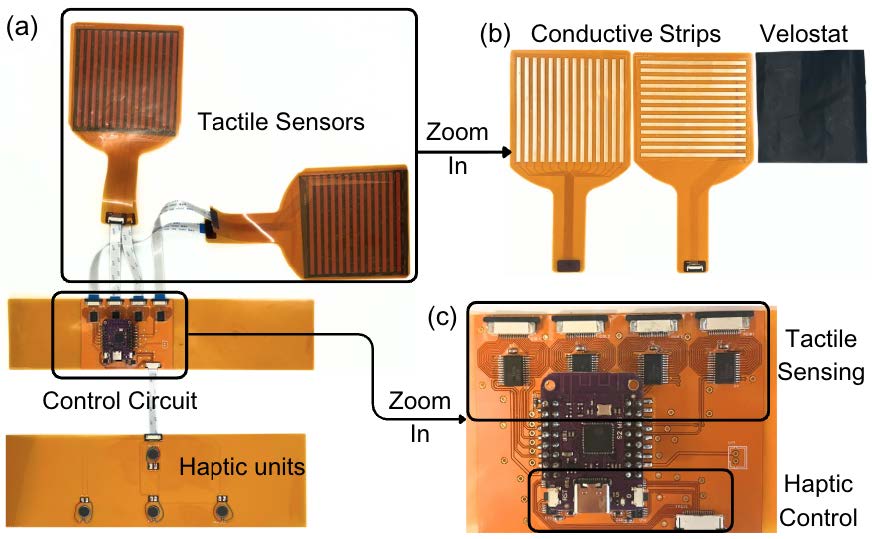
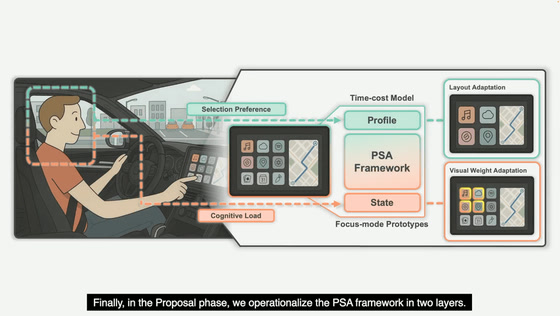
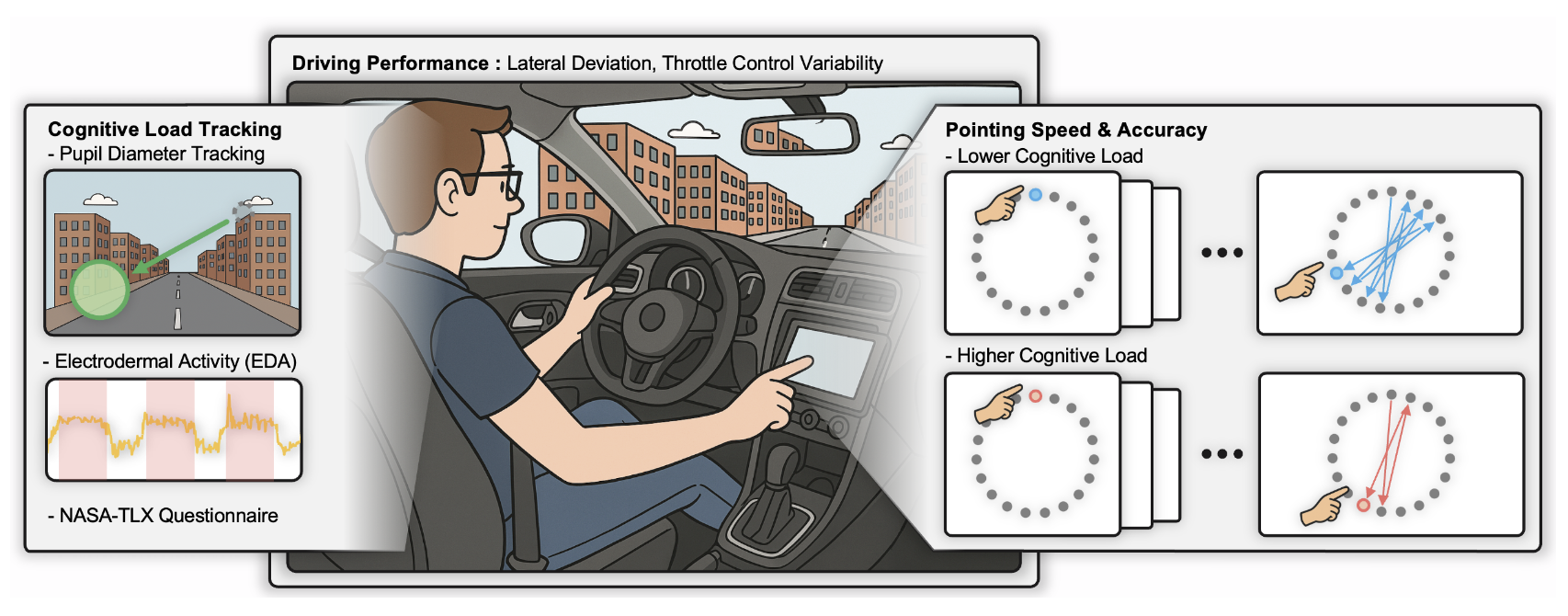
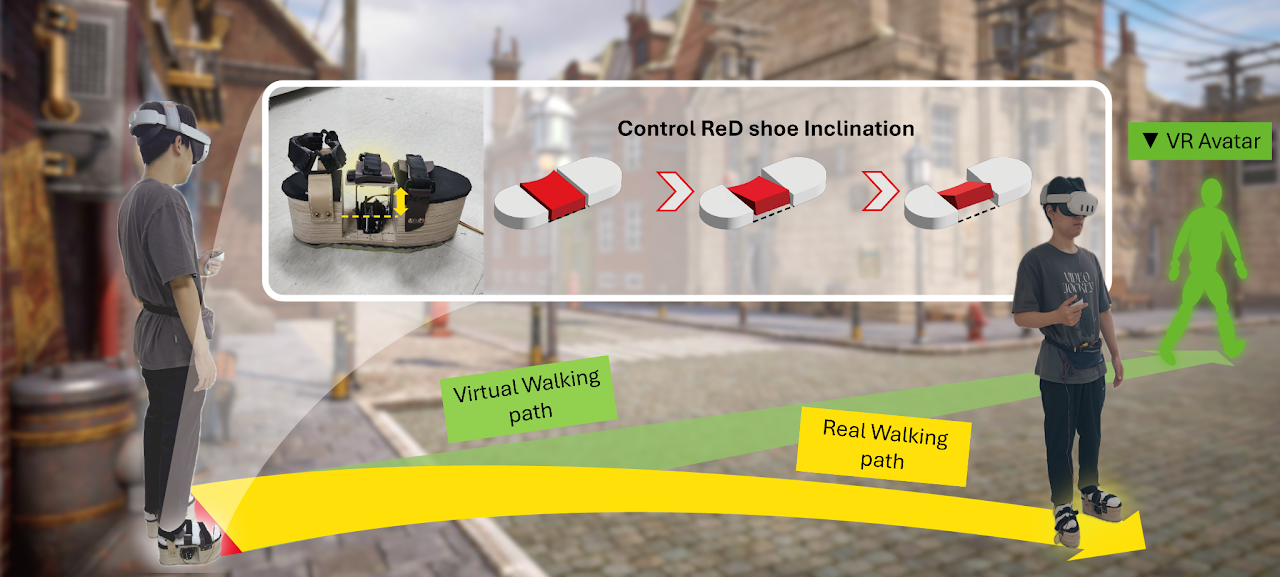

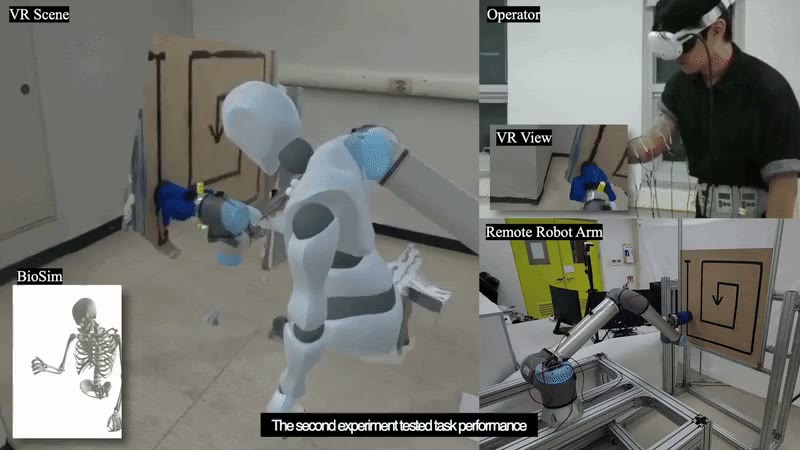
, Kang, S.*, Oh, J.*, Park, J., Shin, S., Luo, Y., DelPreto, J., Lee, S., Lee, K., Matusik, W., Rus, D., Kim, S.
Proceedings of the 2025 CHI conference on Human Factors in Computing Systems
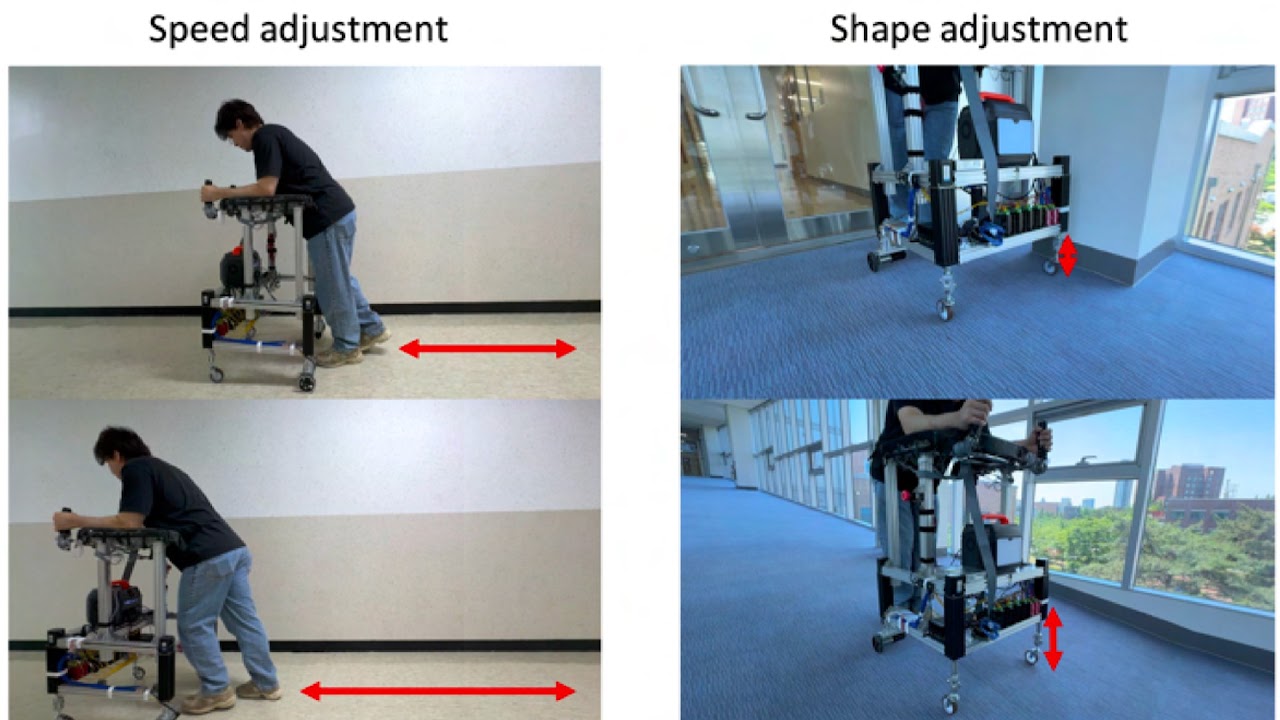
Choi, Y., , Moon, J., Lee, H., Yeo, D., Seong, M., Luo, Y., Kim, S., Matusik, W., Rus, D., Kim, K.
2025 IEEE International Conference on Robotics & Automation
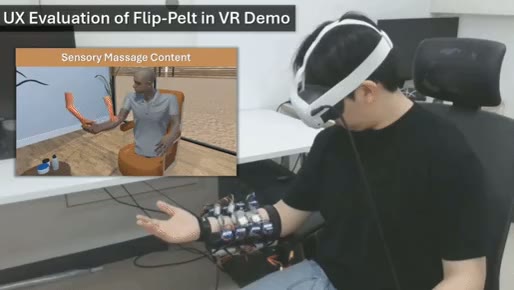
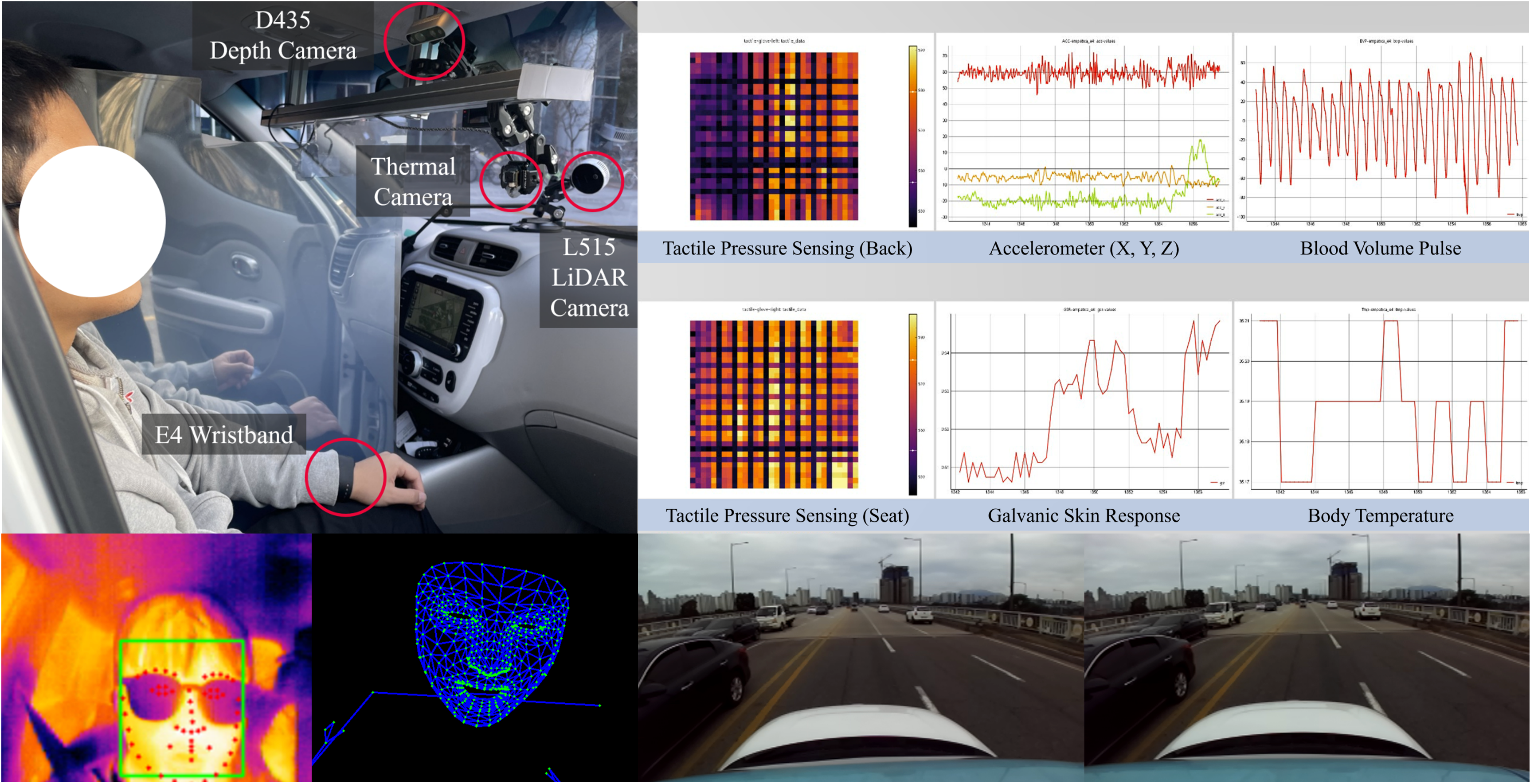
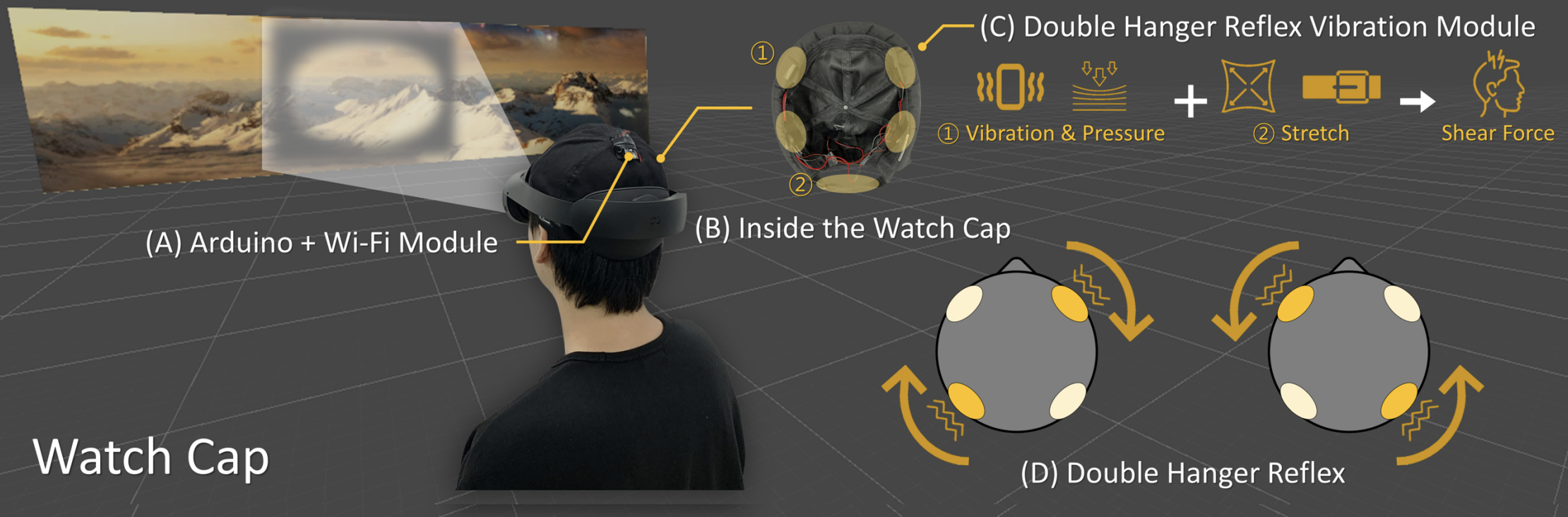
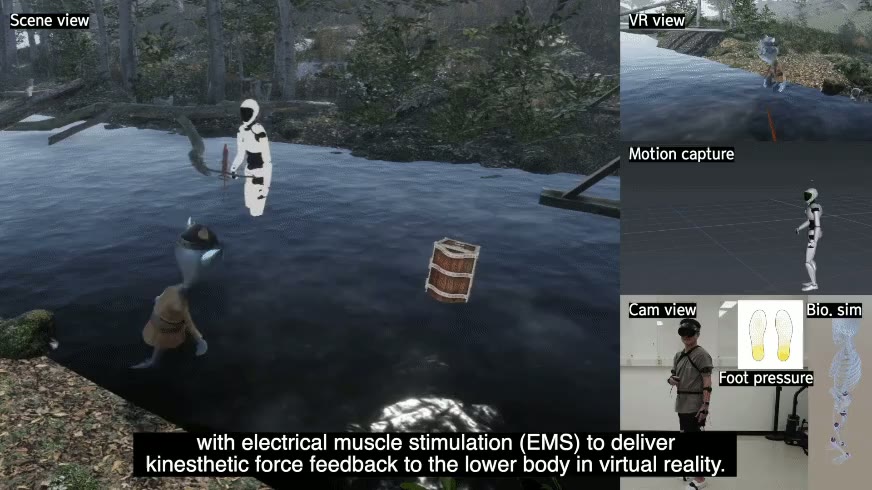
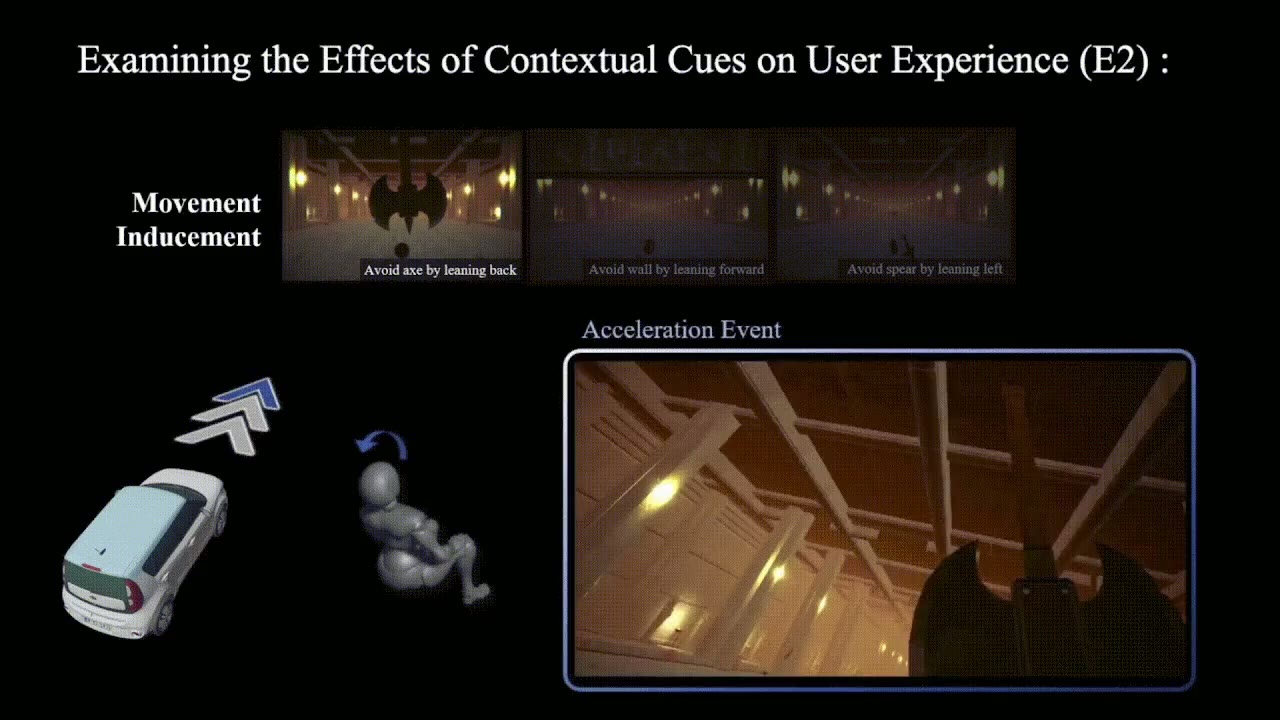
, Oh, J., Kang, S., Seong, M., Elsharkawy, A., Kim, S.
Proceedings of the 2024 CHI conference on Human Factors in Computing Systems
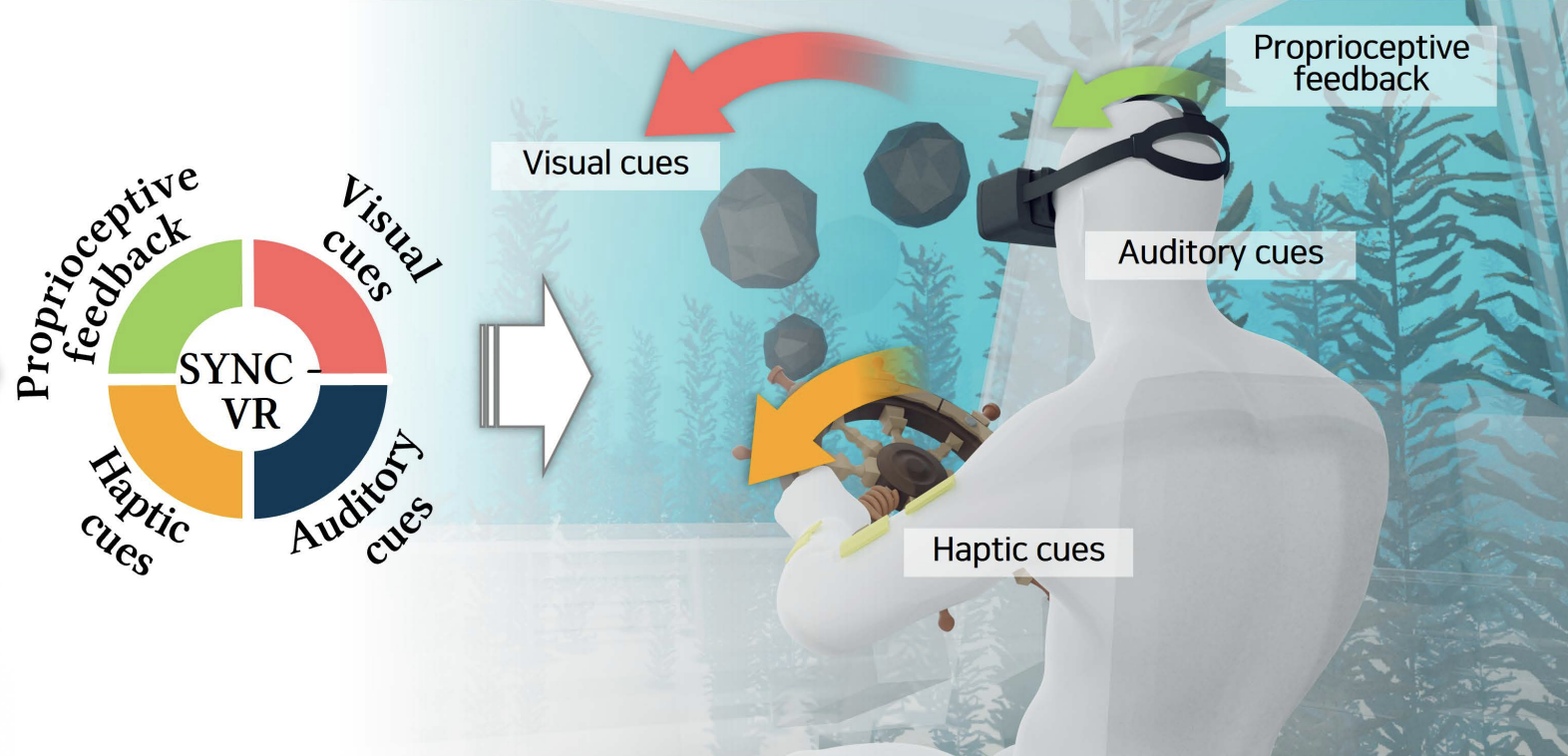
🏆 Honorable Mention
LinkElsharkawy, A., Ataya, A., Yeo, D., An, E., , Kim, S.
Proceedings of the 2024 CHI conference on Human Factors in Computing Systems
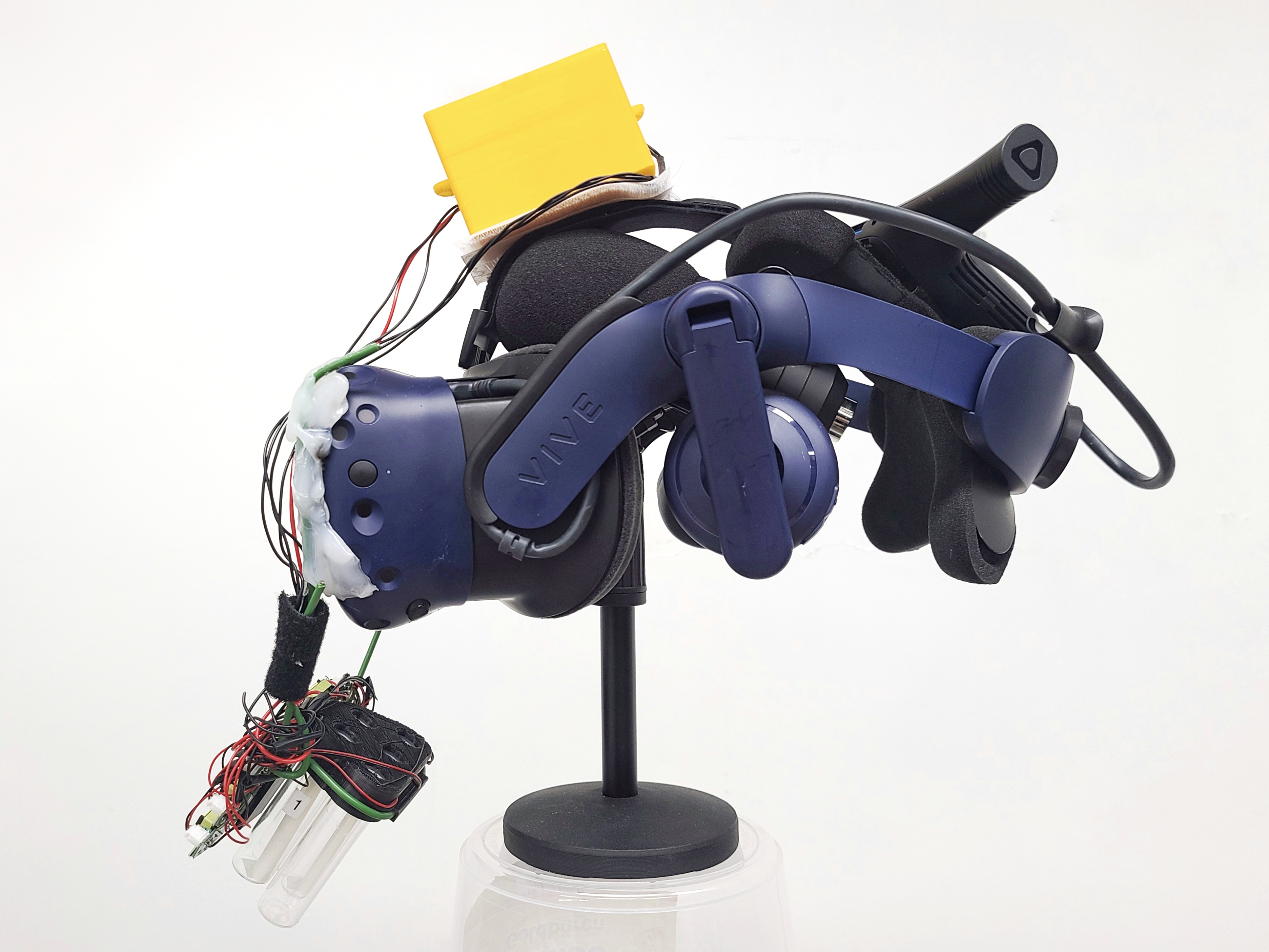
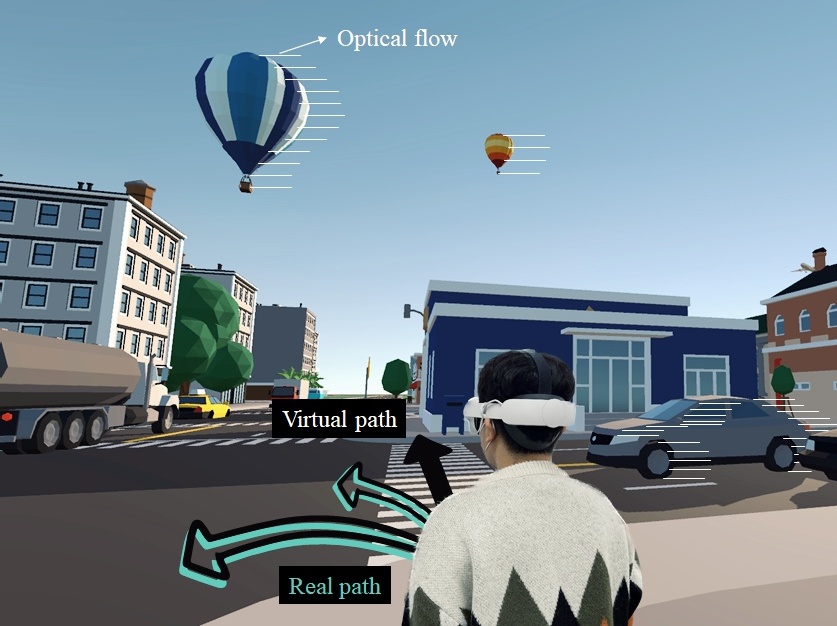
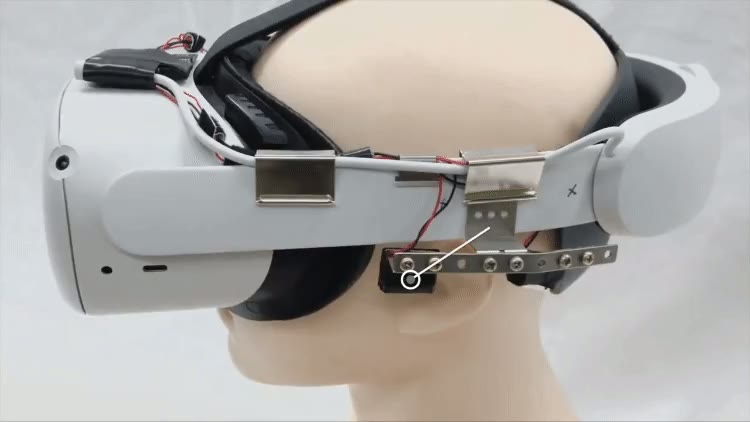
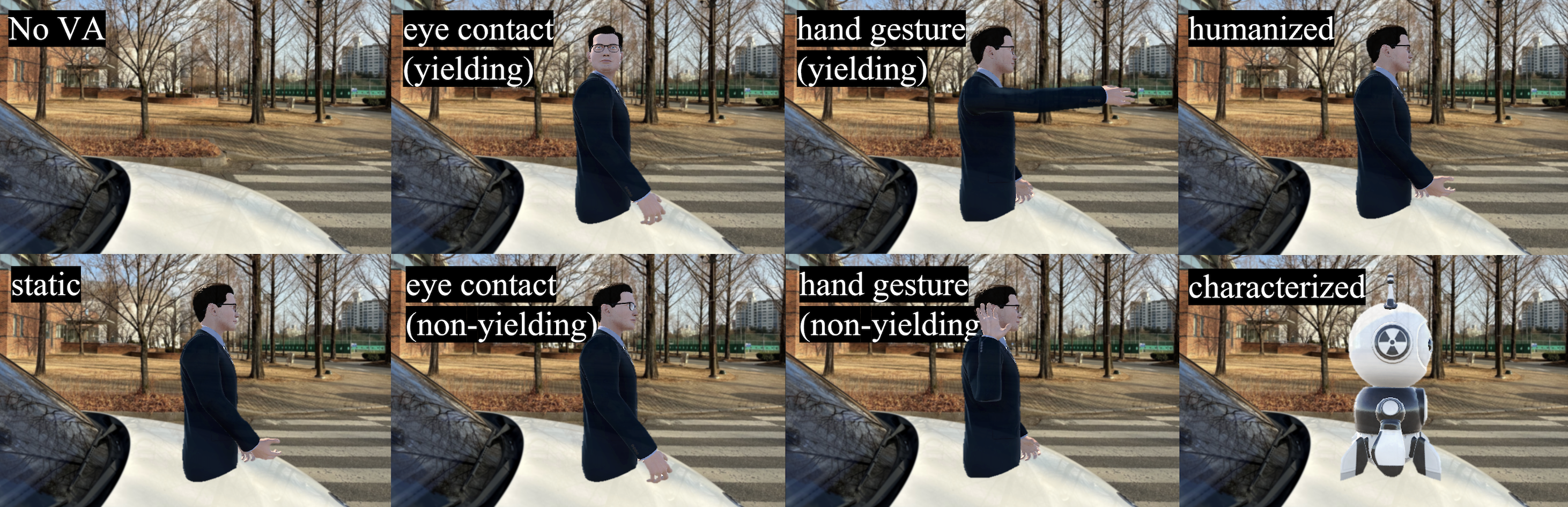
🏆 Honorable Mention
LinkKang, Y., Choi, S., An, E., , Kim, S.
Proceedings of the 2023 International Conference on Automotive UI
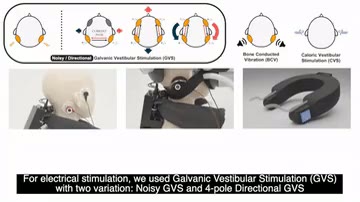
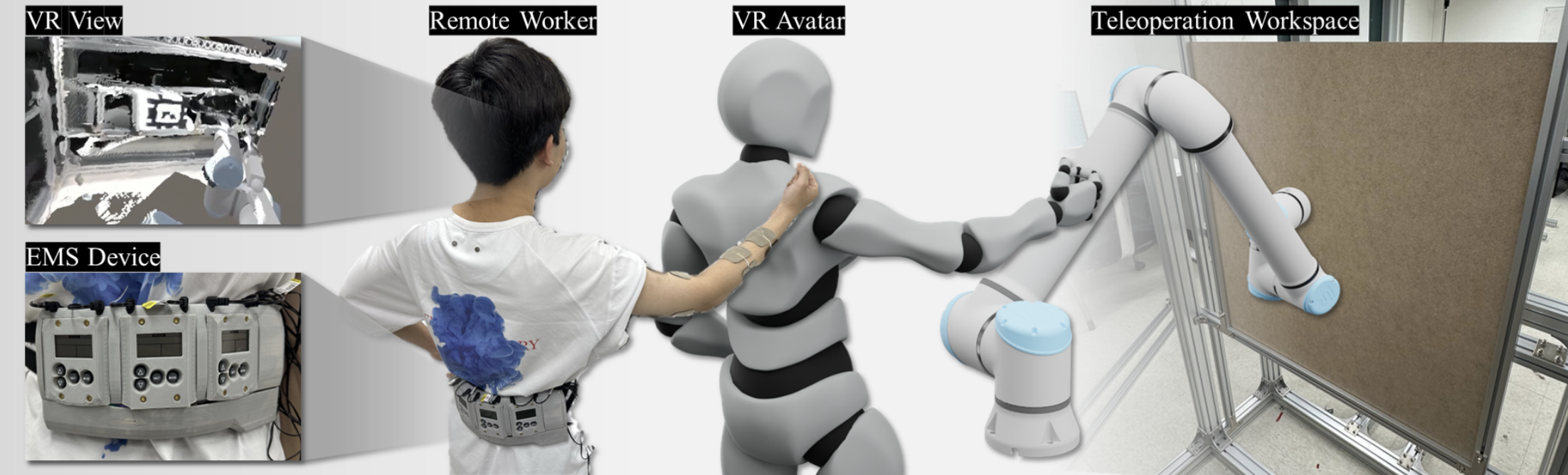
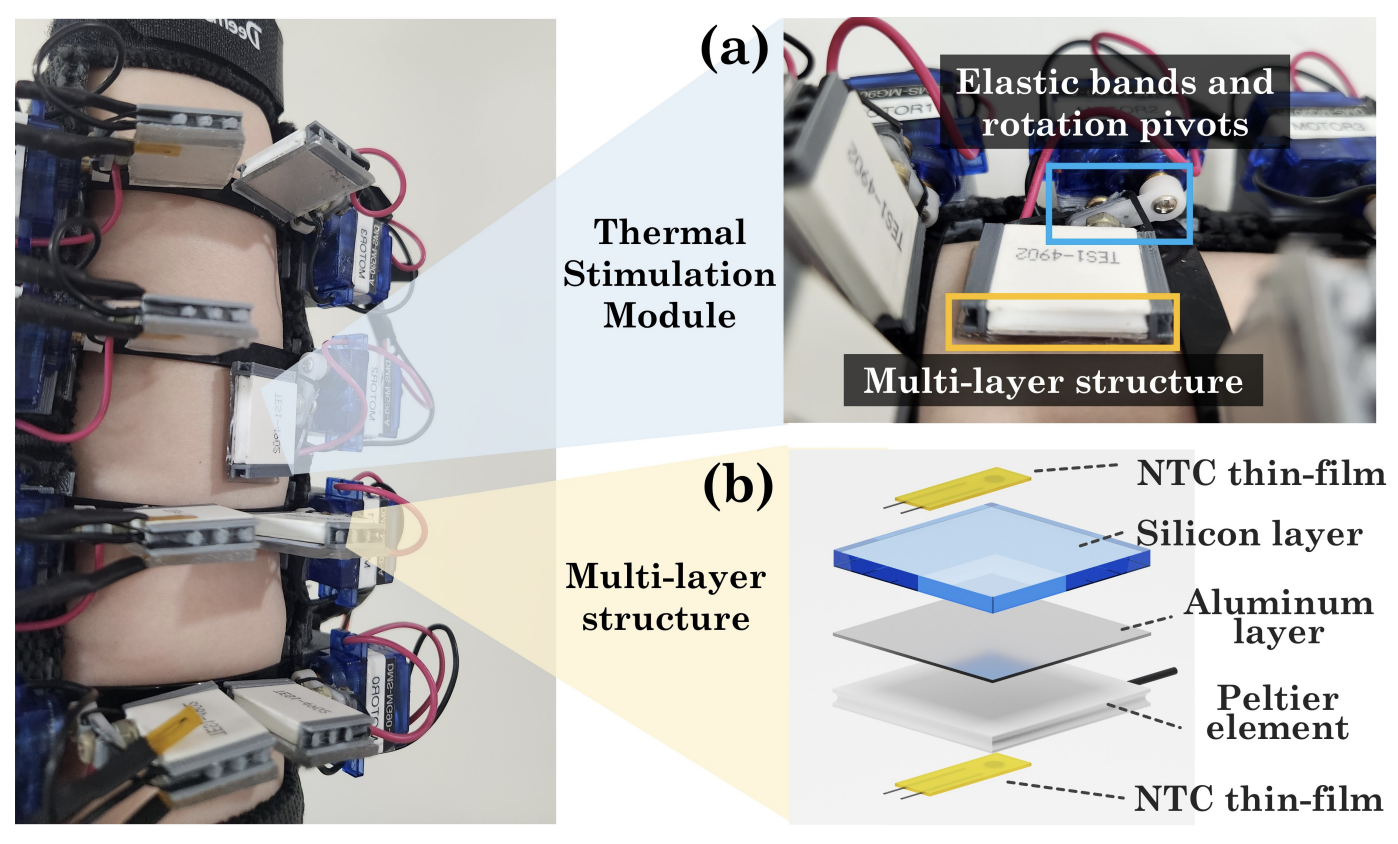
, Kang, S., Oh, J., Park, J., Shin, S., Luo, Y., DelPreto, J., Matusik, W., Rus, D., Kim, S.
UbiComp '24: Companion of the 2024 ACM International Joint Conference on Pervasive and Ubiquitous Computing
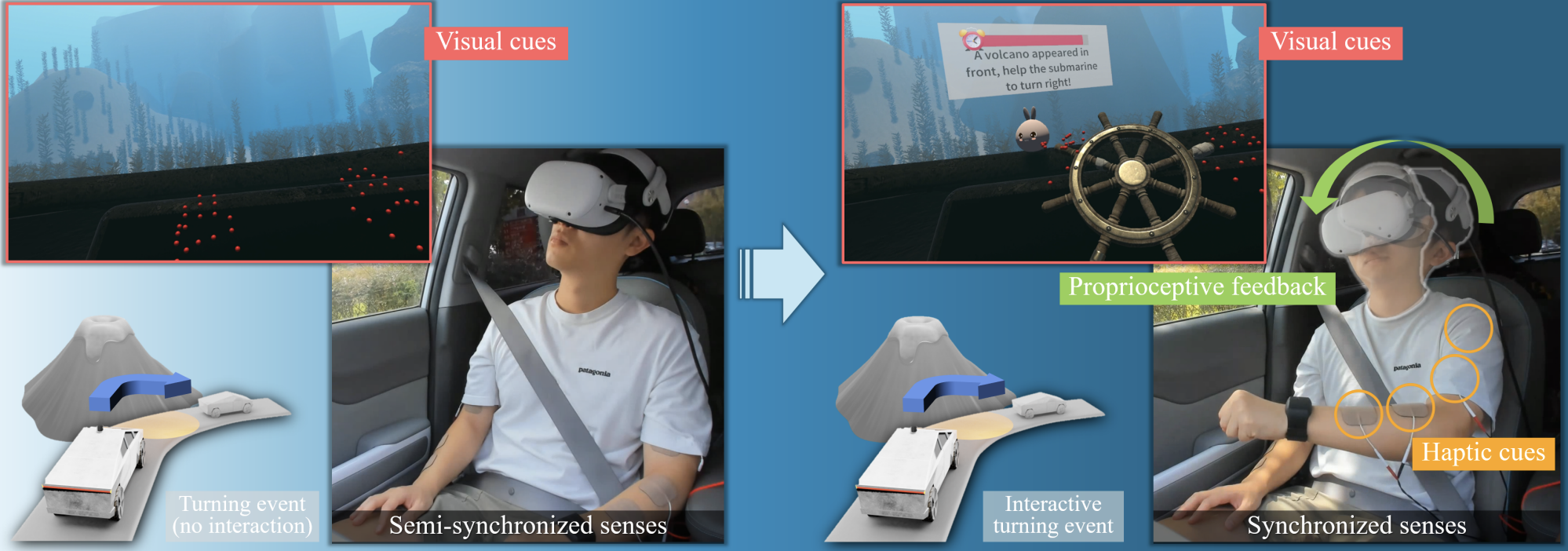
Elsharkawy, A., Ataya, A., Yeo, D., Seong, M., , DelPreto, J., Matusik, W., Rus, D., Kim, S.
UbiComp '24: Companion of the 2024 ACM International Joint Conference on Pervasive and Ubiquitous Computing
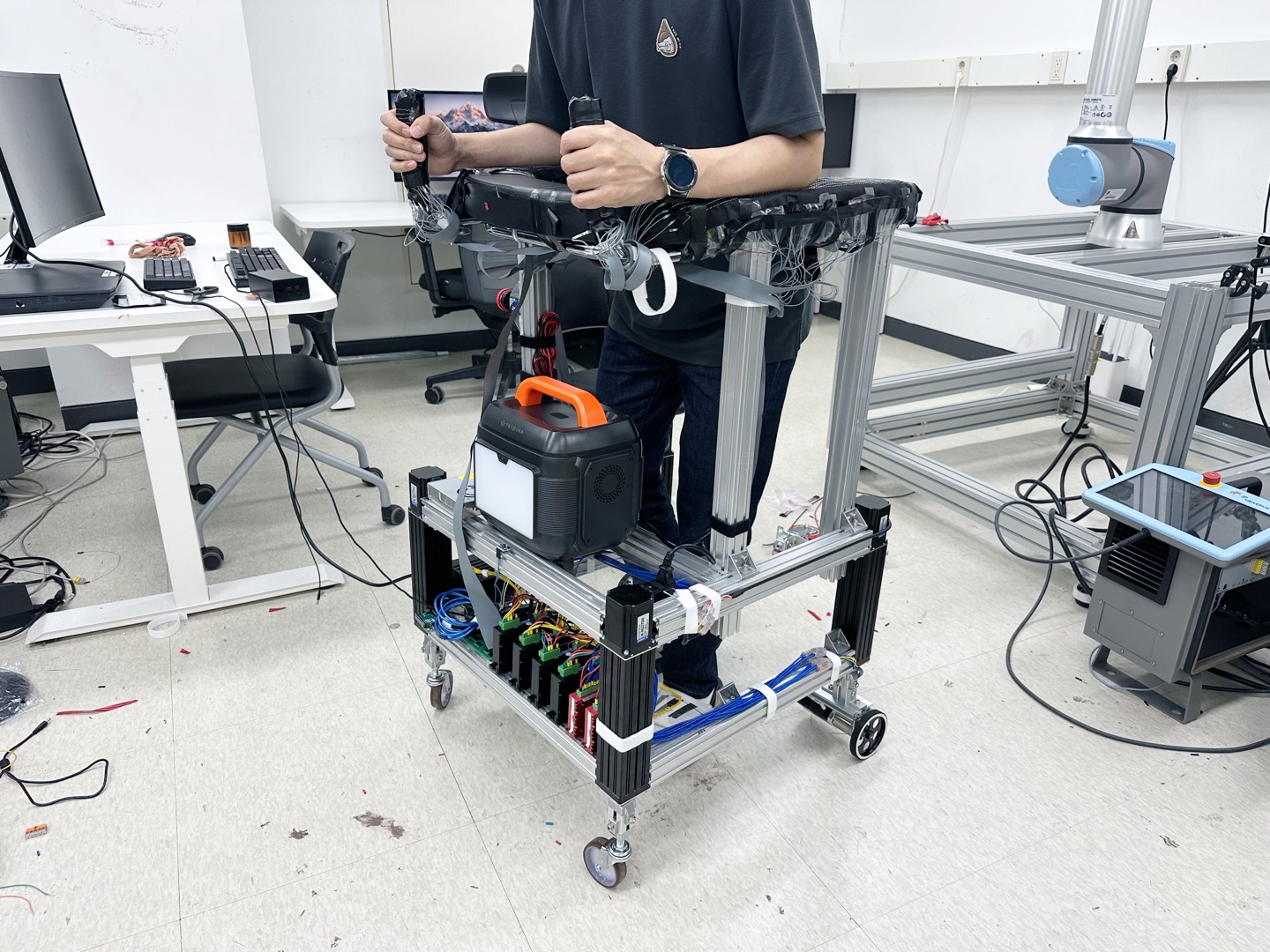
Choi, Y., Yeo, D., , Seong, M., Moon, J., Luo, Y., Matusik, W., Rus, D., Kim, K.
2024 IEEE ICRA Workshop on Wearable
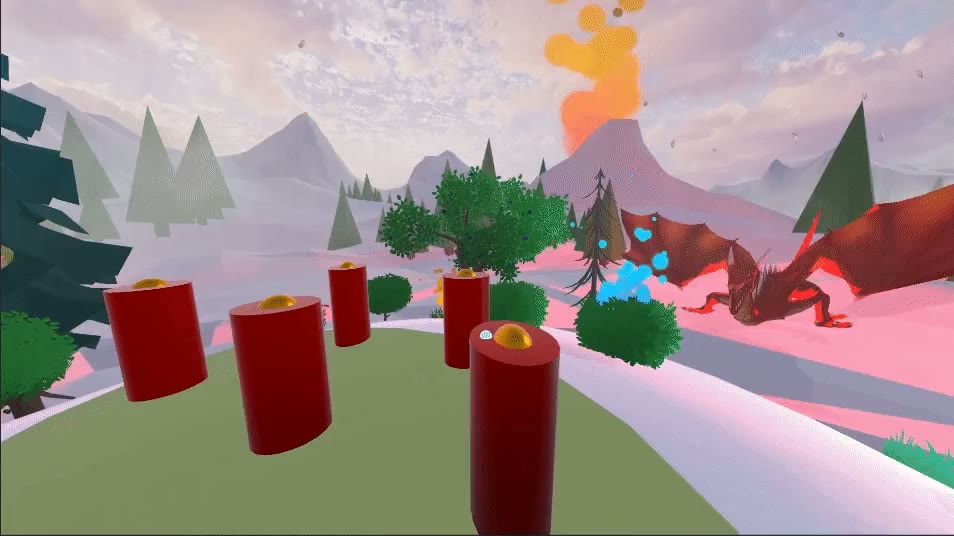
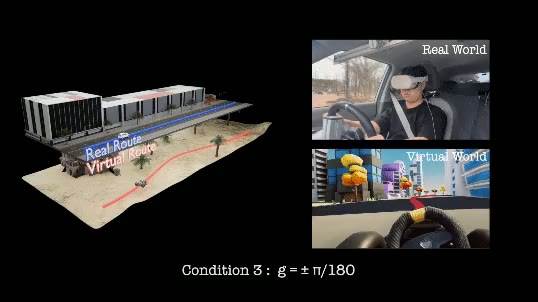
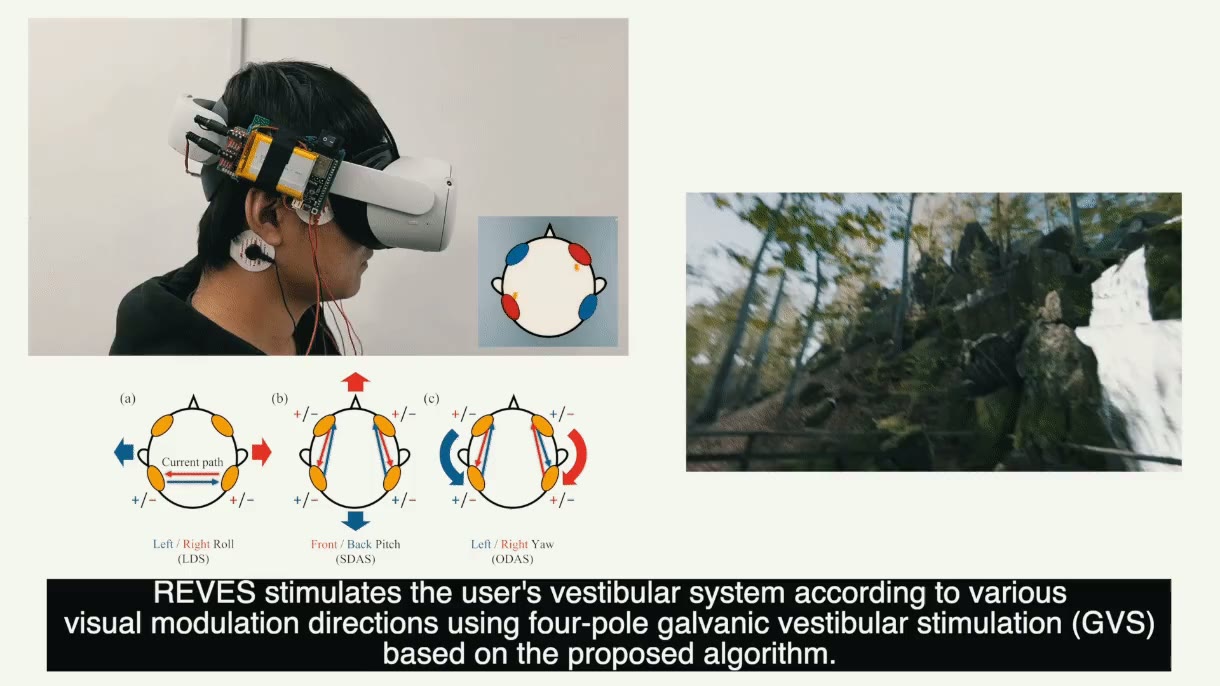
, Lee, J., Kim, Y., Kim, S.
Extended Abstracts of the 2022 CHI conference on Human Factors in Computing Systems
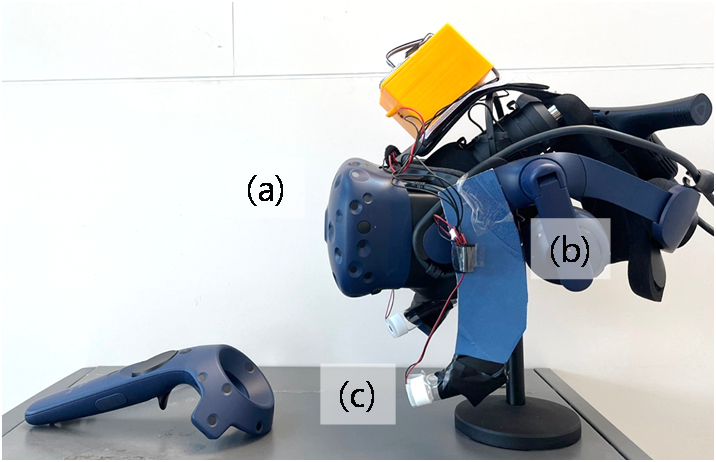
Lee, J., , Kim, K., Kim, S.
Extended Abstracts of the 2022 CHI conference on Human Factors in Computing Systems
Kim, S., Kang, S., Kim, G., , Park, J., Elsharkawy, A.
KR Patent. KR102946187B1
Kim, S., , Kim, Y., Seo, Y., and Lee, J.
US Patent App. US20250159408A1 | KR Patent. KR102916251B1
Kim, S., Kang, S., Kang, Y., Kim, K., Seong, M., An, E., Yang, H., Yeo, D., Oh, J., Jeon, H., Jo, T.,
Copyright for Computer Program Works C-2022-050134
Kim, S., Kang, S., Kang, Y., Kim, K., Seong, M., An, E., Yang, H., Yeo, D., Oh, J., Jeon, H., Jo, T.,
Copyright for Computer Program Works C-2022-050133
Articles from Korean outlets are available in Korean.
The project list below provides brief descriptions of personal projects unrelated to publication.